Affiliate Disclosure: We earn small commissions on purchases through links in this article at no extra cost to you. Full disclosure →
What Is Hard Water?
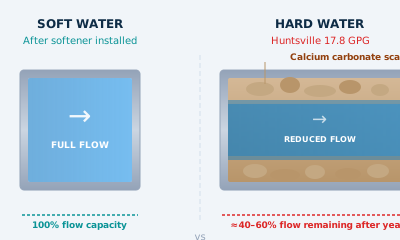
Hard water contains elevated levels of dissolved calcium and magnesium minerals. These minerals are completely natural — they enter water as it flows through limestone and other mineral-rich rock formations underground. The "hardness" is measured in grains per gallon (GPG) or milligrams per liter (mg/L). Here's where North Alabama fits on the scale:
| Classification | GPG Range | North Alabama Context |
|---|---|---|
| Soft | 0–3 GPG | Decatur city water (~5.8 GPG — close to soft) |
| Moderate | 3–7 GPG | Athens city water (~11 GPG — harder) |
| Hard | 7–10 GPG | U.S. average (~4 GPG) |
| Very Hard | 10–15 GPG | Harvest area (~11 GPG) |
| Extremely Hard | 15+ GPG | Huntsville (17.8), Madison (up to 32 GPG) |
What Is Soft Water?
Soft water has had most of its calcium and magnesium removed — either naturally (rainfall is naturally soft; water in the Pacific Northwest is naturally soft) or through treatment with a water softener. Ion exchange softeners replace calcium and magnesium with sodium, dropping hardness to 0–1 GPG. The result is water that lathers easily, rinses cleanly, and doesn't deposit scale.
Is Hard Water Bad for You?
This is the question most people ask first — and the answer might surprise you. Drinking hard water is generally not harmful to your health and may even be modestly beneficial. The calcium and magnesium in hard water contribute to your daily mineral intake. The World Health Organization notes that hard water "does not appear to be a health risk" and some studies suggest populations in hard water areas have slightly lower rates of cardiovascular disease.
The harms from hard water are economic and cosmetic, not physiological. Scale destroys appliances. Mineral buildup damages hair and disrupts skin. Soap and detergent usage increases by 50–75% in hard water. Pipes clog and corrode. Water heater efficiency drops by up to 29%. These are real, costly problems — just not direct health threats from drinking the water itself.
Exception: If you're on softened water, the sodium added by the softening process is a consideration for people on strict sodium-restricted diets. At North Alabama's hardness levels, softening adds approximately 35–50 mg of sodium per liter — modest, but worth knowing if you have heart failure or hypertension. Ask your doctor if this matters for your situation.
Is Soft Water Better Than Hard Water?
For your home — yes, significantly. Soft water extends appliance lifespan, reduces energy consumption, eliminates scale buildup on fixtures and pipes, and makes cleaning dramatically easier. A Duke University study estimated that households with softened water use 50–75% less soap and cleaning products. At North Alabama's extreme hardness levels, a softener typically pays for itself in appliance savings and reduced product costs within 3–5 years.
For drinking — the answer is more nuanced. Softened water tastes slightly different (many people prefer it; some notice a slight "slippery" quality). If you prefer the taste of hard water minerals, you can drink from a bypass tap or add a remineralization filter after your RO system. Many households use softened water throughout the house but add an RO system at the kitchen sink for drinking — getting the best of both.
Well Water vs City Water Hardness in North Alabama
City water and well water in North Alabama both tend toward hard — but for different reasons. City water hardness comes from surface water that's been through the water cycle and picked up minerals from soil. Well water hardness comes from direct contact with limestone aquifers underground and is often significantly harder than municipal sources. Parts of Madison County where wells tap deeper limestone layers regularly test above 25 GPG — almost double what Huntsville Utilities delivers from the Tennessee River. If you're on a well, always test before assuming your hardness level matches your neighbors or the county average.
What to Do About North Alabama's Hard Water
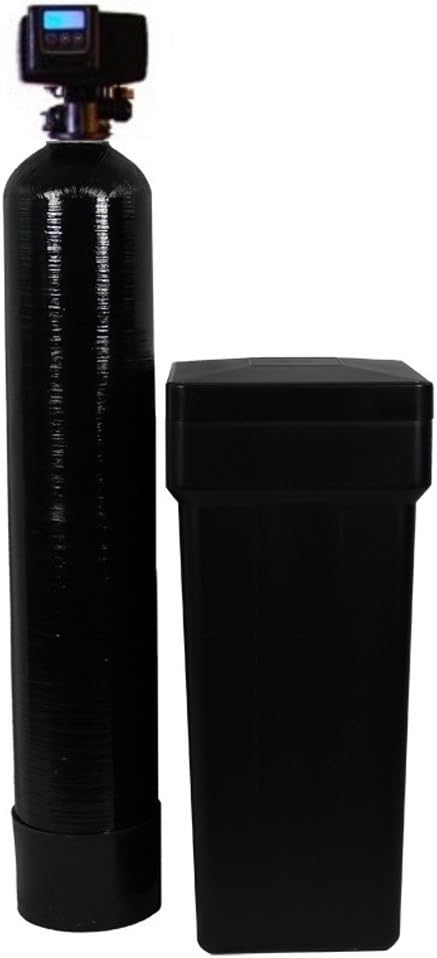
Given the extreme hardness across most of the region, a salt-based ion exchange softener is the standard recommendation. For sizing: multiply your water hardness (GPG) by your daily water usage per person (~75 gallons/day) by the number of people in your home. At 17 GPG with 4 people: 17 × 75 × 4 = 5,100 grains per day, requiring regeneration about every 9 days on a 48,000-grain softener. That's a reasonable and efficient cycle for North Alabama conditions.
View Full Softener Comparison →
Quick Reference: Hard Water vs Soft Water
| Category | Hard Water | Soft Water |
|---|---|---|
| Safe to drink? | ✅ Yes | ✅ Yes (note sodium) |
| Scale buildup | ❌ Significant | ✅ None |
| Appliance lifespan | ❌ Reduced | ✅ Full lifespan |
| Soap lather | ❌ Poor | ✅ Excellent |
| Skin & hair | ❌ Drying, residue | ✅ Soft rinse |
| Laundry | ❌ Stiff, faded | ✅ Soft, bright |
| Mineral taste | Some prefer it | Milder flavor |