Affiliate Disclosure: We earn small commissions on purchases through links in this article at no extra cost to you. Our recommendations are fully independent. Full disclosure →
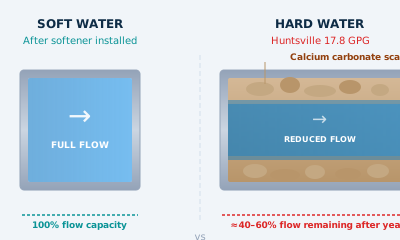
If you've moved to North Alabama from another state and noticed your skin is drier, your hair is duller, or your eczema is worse — your water is likely a major factor. The calcium and magnesium in hard water create a chain reaction that affects everything from how soap rinses to how your skin barrier functions.
Why North Alabama's Water Is So Hard
North Alabama sits on a limestone-heavy geology — the same rock that carved Huntsville's caves and sinkholes. As groundwater moves through this limestone, it dissolves calcium and magnesium carbonate, loading up with minerals before it ever reaches your tap. Madison County municipal water averages 15–18 grains per gallon (GPG). Private wells in the county's rural areas regularly test at 20–32 GPG. The U.S. average is around 4 GPG. You are dealing with water that is 3–8 times harder than what most of the country uses.
GPG Quick Reference: 0–3 GPG = soft · 3–7 GPG = moderate · 7–10 GPG = hard · 10–15 GPG = very hard · 15+ GPG = extremely hard. Huntsville city water sits firmly in "extremely hard" territory.
What Hard Water Actually Does to Your Skin
The mechanism is well-documented in dermatology research. Hard water minerals — primarily calcium and magnesium ions — react with soap and surfactants to form insoluble "soap scum" compounds. Instead of rinsing cleanly off your skin, these compounds leave a thin residue that:
- Disrupts the skin's acid mantle — the protective slightly-acidic film that keeps your skin barrier intact. Hard water is typically alkaline (pH 7.5–8.5), which directly disrupts this barrier.
- Clogs pores — mineral deposits and soap residue physically block follicles, contributing to blackheads, breakouts, and dull skin texture.
- Reduces skin moisture — the compromised barrier allows transepidermal water loss to increase, meaning your skin literally dries out faster throughout the day even after moisturizing.
- Triggers inflammatory responses — particularly in people with existing eczema or psoriasis, the barrier disruption leads to flare-ups that are often misattributed to detergent or food sensitivity.
Hard Water and Eczema
Studies from King's College London found that children in hard water areas had a significantly higher rate of eczema than those in soft water areas, independent of other environmental factors. If your child has eczema that consistently worsens after bathing, or if adult eczema that was manageable elsewhere became difficult to control after moving to Huntsville, the water hardness is a legitimate contributing factor worth addressing before adding more topical treatments.
Hard Water and Itchy Skin
Generalized itchiness after showering — particularly on the back, legs, and scalp — is one of the most common complaints from North Alabama homeowners who've moved from softer-water regions. It's not an allergy; it's the mineral film on your skin drying out as it evaporates. The sensation is similar to a sunburn — skin tight, slightly itchy, and easily irritated by clothing.
What Hard Water Does to Your Hair
Hair damage from hard water operates through two separate mechanisms. First, the same mineral film that coats skin coats individual hair shafts, building up over time and making hair feel rough, heavy, and difficult to style. Second, calcium deposits physically alter the hair shaft structure, raising the cuticle and making hair more porous — which paradoxically causes it to lose moisture faster.
- Hair loss from hard water: Elevated calcium deposits on the scalp can disrupt the hair follicle environment, contributing to telogen effluvium (diffuse shedding). A 2016 study in the International Journal of Dermatology found measurable differences in hair tensile strength between hard and soft water groups.
- Dandruff and itchy scalp: The same barrier disruption that causes skin eczema affects scalp skin — mineral buildup combines with reduced sebum production to create flaking and irritation that mimics dandruff but doesn't fully respond to dandruff shampoos.
- Color fading: Mineral ions bond with hair dye molecules and accelerate color fade. If your hair color lasts noticeably less time since moving to Huntsville, this is why.
- Dullness and frizz: The raised cuticle from mineral damage scatters light rather than reflecting it, causing hair to look dull. The porous cuticle also absorbs and releases humidity unevenly, contributing to frizz.
Quick test for mineral buildup in your hair: Take a strand of hair and drop it in a glass of water. If it floats, your hair is still healthy and coated with natural oils. If it sinks quickly, it's porous from mineral damage and absorbing water like a sponge — a sign of significant hard water impact.
Partial Fixes vs. the Real Fix
Things That Help (But Don't Solve the Problem)
- Apple cider vinegar rinse: The acidity temporarily removes some mineral buildup from hair. Not practical long-term and does nothing for skin.
- Shower filter: A good shower filter with KDF media reduces some minerals and chloramine at the showerhead. Better than nothing, but doesn't address the root cause and requires frequent replacement.
- Chelating shampoos: Products containing EDTA (like Malibu C Hard Water Wellness) bond with calcium ions and strip mineral buildup. Worth using monthly as a treatment even after installing a softener.
- Ceramide moisturizers: Support the skin barrier while addressing the water, but they're treating symptoms, not the cause.
The Real Fix: A Water Softener
A salt-based ion exchange water softener removes calcium and magnesium at the point of entry, delivering soft water to every tap and shower in your home. The difference is immediate and significant. Most people report visibly softer skin within the first week, noticeably better hair lather and rinse within days, and meaningful improvement in eczema symptoms within 2–4 weeks. For North Alabama's extreme hardness levels, you need a softener sized for at least 48,000 grains — undersized units regenerate too frequently and wear out faster.
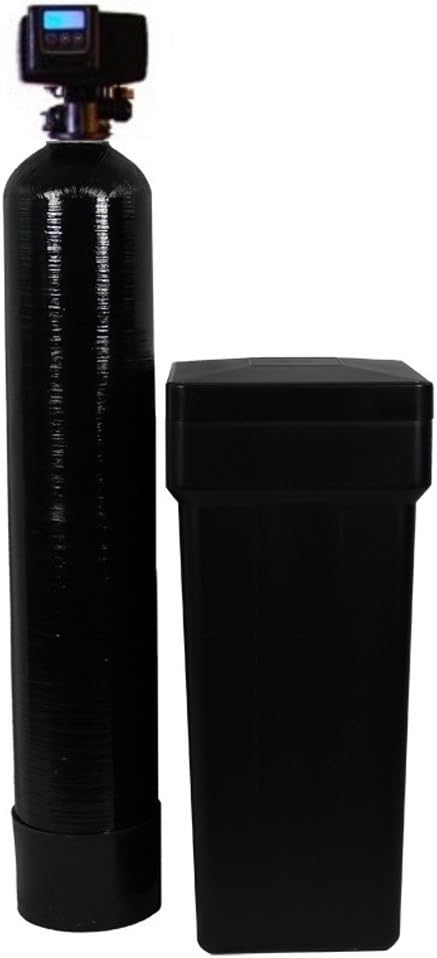
For a full comparison of softener options sized for North Alabama's hardness, see our water softener guide for Huntsville. For cost and installation information, see our installation cost guide.
What to Expect After Installing a Softener
- First week: Noticeably different feel in the shower — skin rinses cleaner, hair feels lighter. You'll use significantly less shampoo, conditioner, and body wash because soft water lathers much more effectively.
- 2–4 weeks: Skin moisture levels stabilize, eczema flare frequency typically decreases. Scalp itchiness diminishes.
- 1–3 months: Hair quality visibly improves as mineral buildup gradually clears. Color holds longer. Hair loss from mineral-related follicle disruption decreases.
- Important: Use a chelating shampoo treatment once or twice in the first month to accelerate removal of existing mineral deposits already embedded in your hair shaft.