Affiliate Disclosure: We earn small commissions on purchases through links in this article at no extra cost to you. Our recommendations are fully independent. Full disclosure →
🏭 Decatur is different from the rest of North Alabama: While Huntsville and Madison battle extreme hardness, Decatur's Wheeler Lake source water is surprisingly soft (5.5–6 GPG). No water softener needed. But Decatur faces the region's most serious industrial chemical contamination — HIGH PFAS and detected 1,4-Dioxane from chemical manufacturing along the Tennessee River corridor.
What's Actually in Decatur's Water?
Decatur Utilities draws from Wheeler Lake (Tennessee River, TVA). The 2026 water quality picture:
| Contaminant | Level | Risk | Removed By |
|---|---|---|---|
| PFAS | HIGH | High | NSF/ANSI 58 RO ✓ |
| 1,4-Dioxane | Detected | High (carcinogen) | RO (partial) ⚠️ |
| Hardness | 5.5–6 GPG | Low | No softener needed ✓ |
| Chlorine | Standard | Low-Moderate | Carbon filter ✓ |
| Aluminum | Elevated | Moderate | Carbon + RO ✓ |
The 1,4-Dioxane Problem — What You Need to Know
1,4-Dioxane is a synthetic chemical classified as a probable human carcinogen by the EPA. It's linked to industrial solvent manufacturing along the Decatur stretch of the Tennessee River. What makes it particularly problematic:
- Standard activated carbon filters do NOT effectively remove 1,4-Dioxane
- Reverse osmosis removes it partially (estimates range from 40–95% depending on membrane and pressure)
- Advanced oxidation processes (AOP) are most effective but only available at utility scale
- There is currently no residential treatment certified specifically for 1,4-Dioxane removal
From a 19-year water industry veteran: 1,4-Dioxane is genuinely one of the harder contaminants to address at the residential level. An RO system is your best available home option — it won't remove 100%, but significantly reduces your exposure. Advocate for your utility to implement AOP treatment, which several Tennessee Valley utilities are already installing.
Our Recommended Filter Setup for Decatur Homes
Step 1 — Under-Sink RO System (Most Important)
For drinking and cooking water, an NSF/ANSI 58-certified reverse osmosis system is essential. This addresses PFAS, partially addresses 1,4-Dioxane, removes aluminum, and improves taste significantly. The Aquasana OptimH2O is our top pick for Decatur — certified for PFAS and uses catalytic carbon which helps with organic compounds.
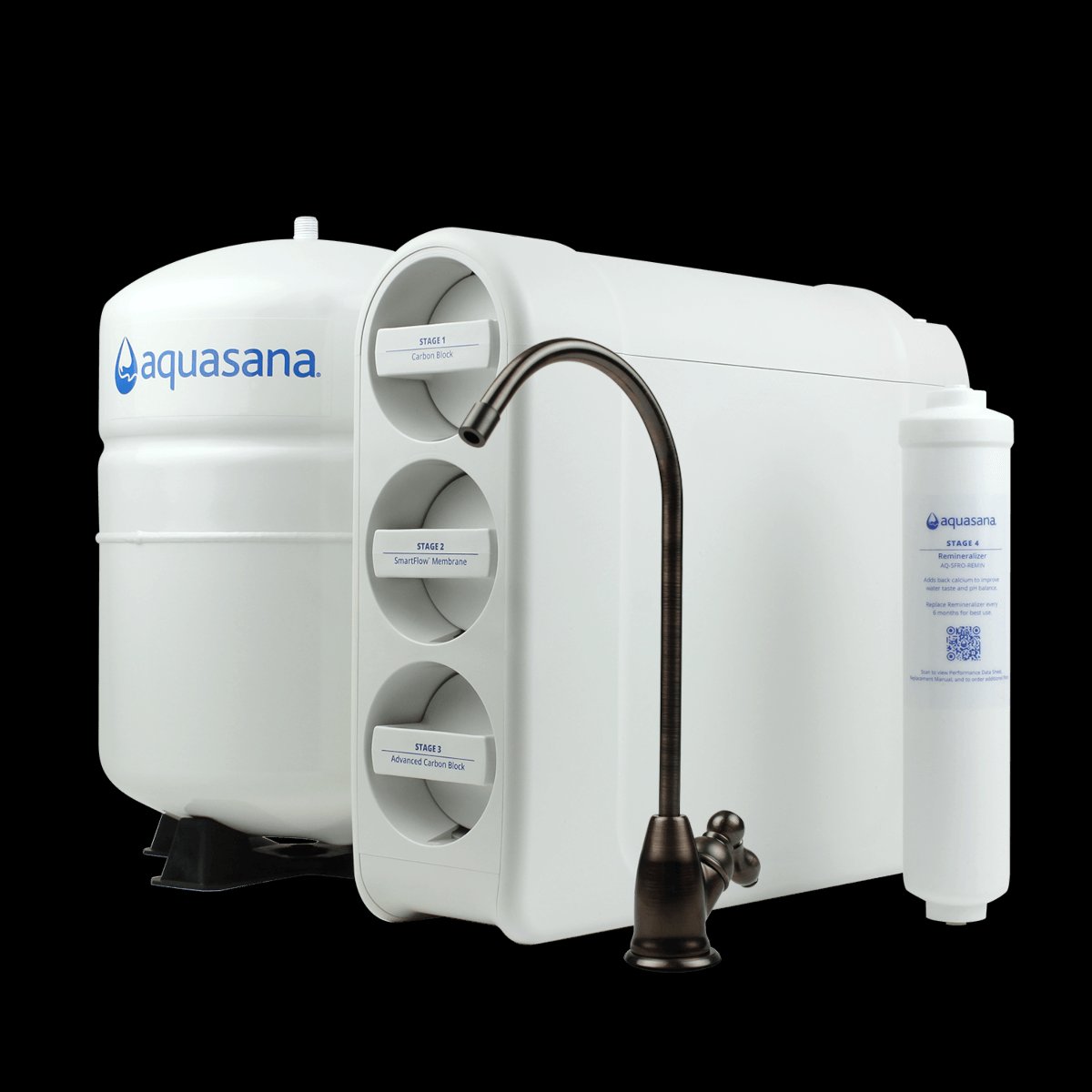 🚰 Aquasana OptimH2O RO — Our Top Pick for Decatur (affiliate)
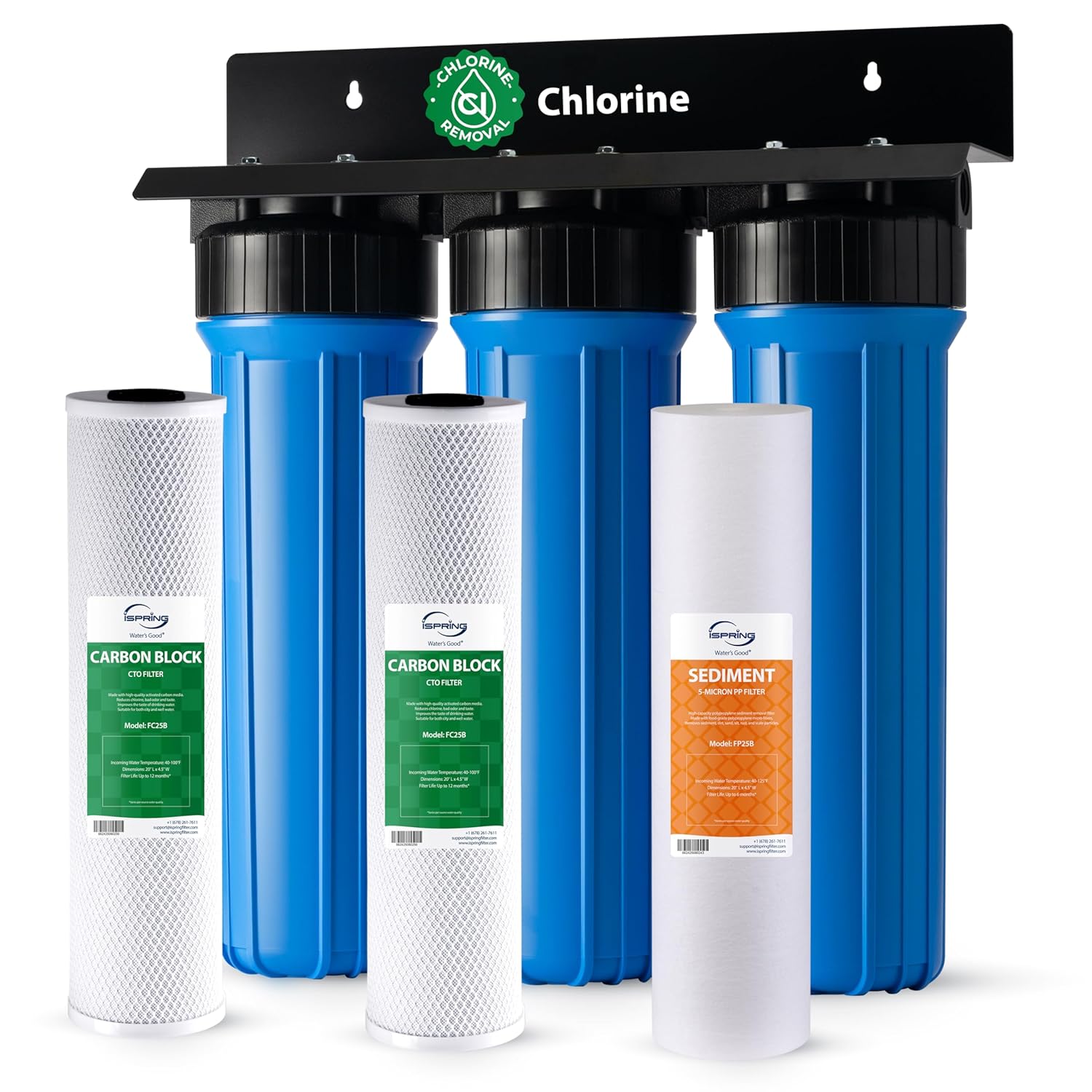
Step 2 — Whole-Home Carbon Filter (Highly Recommended)
A whole-home filter with catalytic carbon addresses chlorine, some organic chemicals, sediment, and taste at every tap in your home. Since Decatur uses standard chlorine (not chlorine like Huntsville), a standard activated carbon whole-home filter works well here.
Do NOT install a water softener
Decatur's 5.5–6 GPG water is already soft. Running it through a softener adds unnecessary sodium, wastes salt money, and can make the water corrosive to pipes. Skip it entirely.